



Whether you are an athlete, a fitness enthusiast or simply someone who enjoys staying active, muscle recovery is an essential part of maintaining performance and overall well-being. Exercise places stress on muscle tissue, energy systems and the nervous system. After activity, the body enters a recovery phase in which it repairs tissues, restores energy reserves and prepares muscles for the next effort.
Proper nutrition plays an important role in this process. Among the nutrients involved in muscle recovery, magnesium is frequently discussed due to its involvement in muscle function, electrolyte balance and energy metabolism. Because magnesium participates in hundreds of physiological processes, maintaining adequate levels may support the body’s natural recovery mechanisms after physical activity.
Understanding how magnesium interacts with muscles and the nervous system helps explain why it is often included in recovery routines and sports nutrition strategies.
Why Muscle Recovery Is So Important
Recovery is not simply about resting after exercise. It is an active biological process in which the body restores balance and repairs microscopic stress created during movement.
During and after physical activity, several processes occur:
- muscle fibres experience small structural stress
- energy stores such as glycogen become depleted
- electrolytes are lost through sweat
- metabolic by-products accumulate in muscle tissue
- the nervous system undergoes stimulation and fatigue
When recovery is sufficient, muscles rebuild and adapt. Over time this process allows the body to become stronger and more resilient.
However, when recovery is inadequate, people may experience:
- prolonged muscle soreness
- reduced physical performance
- fatigue and slower training progress
- increased risk of injury
Supporting the body’s natural recovery processes through hydration, rest and nutrition can therefore make a meaningful difference for anyone who exercises regularly.
What Happens to Muscles During Exercise
Muscle contraction is a complex process involving nerve signals, minerals, energy molecules and proteins. Every time a muscle contracts, electrical impulses from the nervous system trigger a cascade of biochemical reactions inside muscle cells.
These reactions rely on several nutrients, including magnesium.
Magnesium is involved in processes such as:
- muscle contraction and relaxation
- energy production in cells
- protein synthesis
- electrolyte balance
- nerve signalling between muscles and the brain
Because these processes occur continuously during physical activity, magnesium becomes an important mineral for both performance and recovery.
Magnesium and Normal Muscle Function
Magnesium contributes to normal muscle function, meaning it participates in the physiological mechanisms that allow muscles to contract and relax properly.
Muscle contraction occurs when calcium enters muscle cells and triggers the shortening of muscle fibres. Magnesium helps balance this process by supporting muscle relaxation after contraction.
This balance between contraction and relaxation is necessary for smooth and coordinated movement. When magnesium levels are adequate, muscles are better able to transition between these states during and after exercise.
Electrolyte Balance After Physical Activity
Electrolytes are minerals that carry electrical charges in body fluids. They help regulate hydration, nerve signalling and muscle contraction.
Common electrolytes include:
- sodium
- potassium
- calcium
- magnesium
During exercise, sweating leads to the loss of fluids and electrolytes. Replenishing these minerals helps maintain proper muscle and nerve function.
Magnesium contributes to electrolyte balance, supporting the body’s ability to maintain fluid distribution and cellular stability after physical exertion.
Magnesium and Energy Metabolism
Physical activity requires significant amounts of energy. This energy is produced in cells through metabolic pathways that convert nutrients into ATP, the molecule that powers muscle contraction.
Magnesium plays a role in normal energy metabolism, meaning it helps enzymes involved in these biochemical reactions function efficiently.
When energy metabolism is well supported, the body can more effectively replenish energy stores and recover from physical activity.
This is one reason magnesium is often associated with reducing tiredness and fatigue, especially in individuals with active lifestyles.
Muscle Relaxation and Post-Exercise Comfort
After intense exercise, muscles may remain tight or tense. Relaxation of muscle tissue is an important step in the recovery process.

Magnesium contributes to the natural mechanisms that allow muscles to relax after contraction. Supporting this balance may help the body transition from an active state into recovery.
Many people therefore associate adequate magnesium intake with helping muscles feel more comfortable after training sessions.
When Recovery Needs Additional Support
Recovery needs vary between individuals depending on training intensity, hydration levels and overall diet. In some cases, certain signs may suggest that the body could benefit from improved nutritional support.
These signs may include:
- frequent muscle tension or cramps
- persistent fatigue after exercise
- slower recovery between workouts
- increased physical exhaustion
- reduced training performance
These symptoms can have many causes, but maintaining balanced mineral intake is often considered an important part of supporting recovery and general physical health.
Magnesium Sources in Everyday Nutrition
Magnesium is naturally present in a variety of foods. Including these foods in a balanced diet can contribute to daily intake.
Examples of magnesium-containing foods include:
- leafy green vegetables
- almonds, pumpkin seeds and cashews
- whole grains such as oats and brown rice
- legumes including lentils and chickpeas
- dark chocolate
Despite these sources, many people do not consistently reach optimal magnesium intake through food alone. Busy lifestyles, dietary habits and intensive training schedules can all influence daily mineral intake.
Magnesium Supplements for Active Lifestyles
Because magnesium plays a role in muscle function, energy metabolism and electrolyte balance, many physically active individuals choose to include magnesium supplements as part of their routine.
They are available in several commonly used forms, including:
- magnesium citrate
- magnesium malate
- magnesium bisglycinate
These forms are frequently used in nutritional formulations designed to support everyday vitality and physical recovery.
Blended magnesium formulas may combine several forms of the mineral alongside complementary nutrients that support energy metabolism and overall well-being.
A Refreshing Way to Support Muscle Recovery
For people with active routines, convenience often matters when choosing nutritional support. Drinkable magnesium powders have become an increasingly popular option because they are easy to prepare and integrate naturally into post-exercise habits.
Magnesium drinks are often appreciated because they:
- dissolve quickly in water
- support hydration after physical activity
- provide an easy daily routine
- offer a refreshing alternative to tablets or capsules
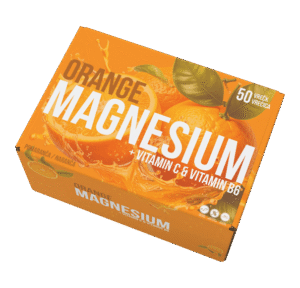
A convenient option is a drinkable magnesium formula such as Magnesium Orange or Magnesium Wild Cherry. These refreshing powders combine three forms of magnesium with vitamin C and vitamin B6, creating a functional blend designed to support energy metabolism, normal muscle function and the reduction of tiredness and fatigue.
Each sachet dissolves easily in water to create a pleasant fruit-flavoured drink. With no added sugar and a vegan, gluten-free formula, they provide a simple way to include magnesium in your daily routine while helping support recovery, vitality and overall well-being after an active day.